







Hair Transplantation: What Is It and How Long Does It Last?
Thinning hair or a receding hairline no longer have to mean coming to terms with baldness. Hair transplantation is one of the most effective ways to regain naturally looking hair density — without wigs, sprays, or other uncomfortable solutions. How exactly does it work? And does it really last a lifetime? What is hair transplantation […]

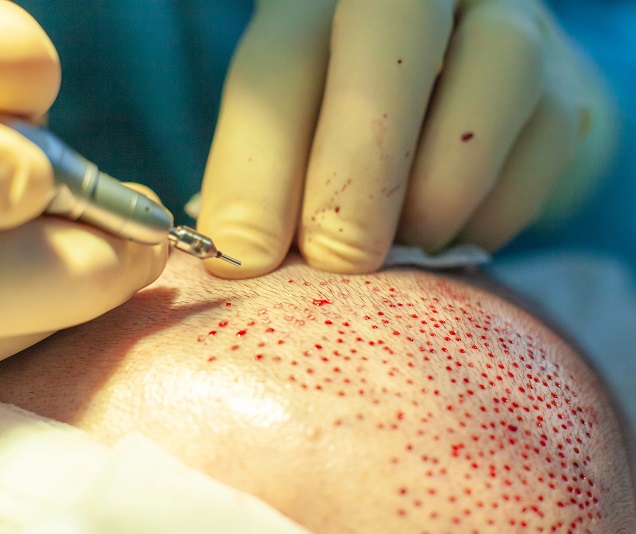
Thinning hair or a receding hairline no longer have to mean coming to terms with baldness. Hair transplantation is one of the most effective ways to regain naturally looking hair density — without wigs, sprays, or other uncomfortable solutions. How exactly does it work? And does it really last a lifetime?
What is hair transplantation and how does it work?
Hair transplantation is a surgical procedure in which healthy hair follicles are harvested from the so-called donor area — most commonly from the back of the head, where hair remains genetically resistant to hair loss even in men with significant baldness. These follicles are then relocated to areas where hair is thinning or completely absent.
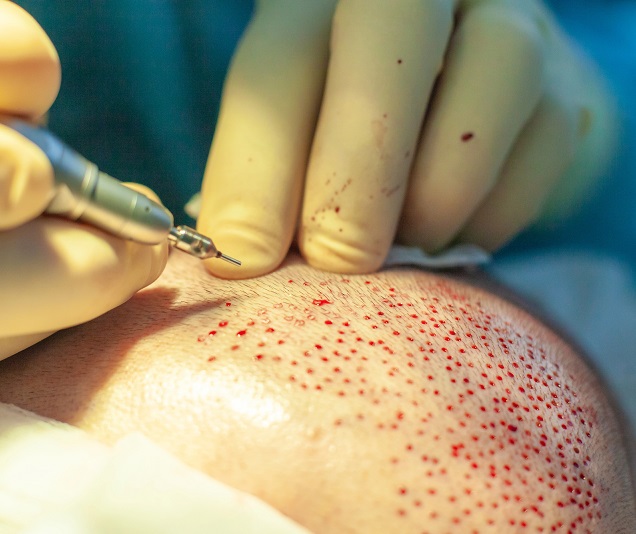
Two main methods are used:
FUE Method (Follicular Unit Extraction)
The most modern and least invasive method, in which individual grafts (follicular units) are extracted using a very thin needle with a diameter of approximately 0.6–1 mm. Each graft typically contains 1–4 hairs, making both extraction and subsequent implantation extremely precise. This results in only tiny dot-like scars that are virtually invisible with regular hairstyles, and the overall healing time is significantly shorter than with older techniques. The final effect also looks very natural.
FUT Method (Follicular Unit Transplantation)
In this method, a narrow strip of skin with hair is removed from the donor area and sent to a specialised laboratory. There, experts divide it under microscopes into individual follicular units, preparing them for precise implantation into areas affected by baldness or significant thinning. A major advantage of this technique is the ability to transplant a very large number of hairs in a single procedure, achieving higher resulting density. This makes it an ideal solution for patients with more extensive hair loss or those who want the most visible change after a single procedure.
The procedure itself takes approximately 4–8 hours depending on the extent. After the procedure, mild redness, scabbing, or swelling may appear, which usually disappear within a few days.
What happens after the transplant?
Many people expect immediate growth of new hair, but transplanted follicles have their own biological rhythm. After the procedure, they go through several natural phases that may seem surprising but are completely normal.
1. Initial “shedding” – temporary hair loss
During the first weeks, transplanted hair may begin to fall out. There is no reason to panic — this is a natural process in which the hair follicle enters a resting phase and essentially “restarts”. The follicles remain firmly anchored in the skin and are preparing for new growth.
2. New growth
From approximately the 2nd–3rd month, hair follicles awaken and begin producing new hair shafts. These first hairs may be thinner, finer, or lighter, but they gradually strengthen and develop their natural texture.
3. Visible results
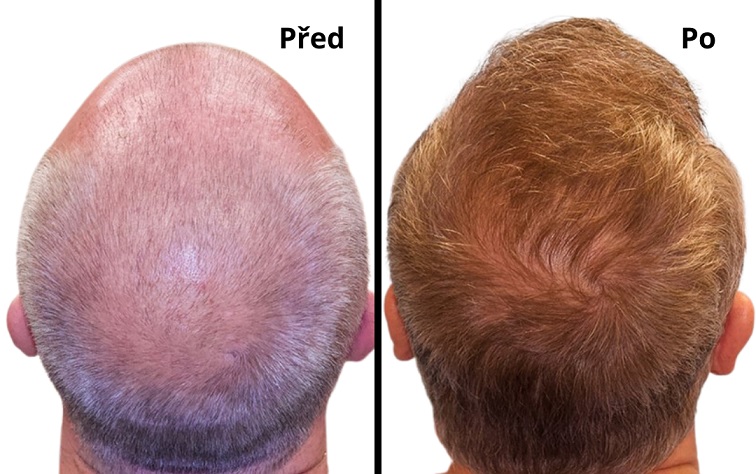
Between the 6th–8th month, most patients notice significant thickening and better definition of the hairline. Hair continues to grow, strengthen, and fill in evenly.
The final result typically appears between the 9th–12th month, when the new hair growth has achieved stable density and appearance.
How long do transplanted hairs last?
Here comes the best part: transplanted hairs are permanent in most cases. Because they come from an area that is resistant to the hormones causing baldness, the hairs behave the same way after transplantation. They literally carry their “resistance” with them — and typically grow for a lifetime. But be aware: Transplantation does not stop the loss of your original hair, which naturally weakens and thins. That is why doctors often recommend long-term growth support and potentially smaller follow-up sessions for additional density in the future. However, the transplanted follicles themselves are among the most resilient on the head — and that is the main reason why the procedure has such a high success rate.
What can affect the longevity of results?
The long-term success of a transplant is not a matter of chance. Several key factors influence the final hair density and continued growth:
- Genetics
The quality of the so-called donor area (most commonly the back of the head) is crucial. In people with genetically strong and resilient follicles, the transplanted hairs often have near “lifelong immunity” against hair loss. This is precisely why these follicles typically last for decades after transplantation. - Age at the time of procedure
Transplantation typically transfers follicles resistant to hormonal hair loss. However, if you undergo the procedure too early, the original — non-transplanted — hairs may continue to thin. This may require supplementation in the future and careful hairline planning so that the result looks natural even 10–20 years later. - Post-operative care
Proper washing, skin hydration, avoiding direct sunlight, and carefully following prescribed medication (e.g., topical solutions, gentle products) have a crucial impact on whether the new follicles successfully take root. The first 14 days determine 80% of the result. - Lifestyle
Stress, poor diet, lack of sleep, and poor scalp care can slow growth and weaken hair health. Conversely, a balanced diet rich in protein, iron, zinc, and omega-3 supports their natural growth.
The bottom line
Hair transplantation today is a sophisticated, safe, and exceptionally effective way to restore hair density and natural appearance. Combined with proper aftercare and supportive treatment, it delivers results that can last for decades — and in most cases, even a lifetime.
If you are considering the procedure, the best step is a personal consultation with a specialist. You will find out whether you are a suitable candidate, how many grafts will be needed, which method is ideal for you, and what your resulting hair growth can realistically look like. This way, you will set realistic expectations and choose the ideal solution tailored to you.