




★★★★★
Great rating, you helped me so much :)))





Do not delay the treatment of trigger finger
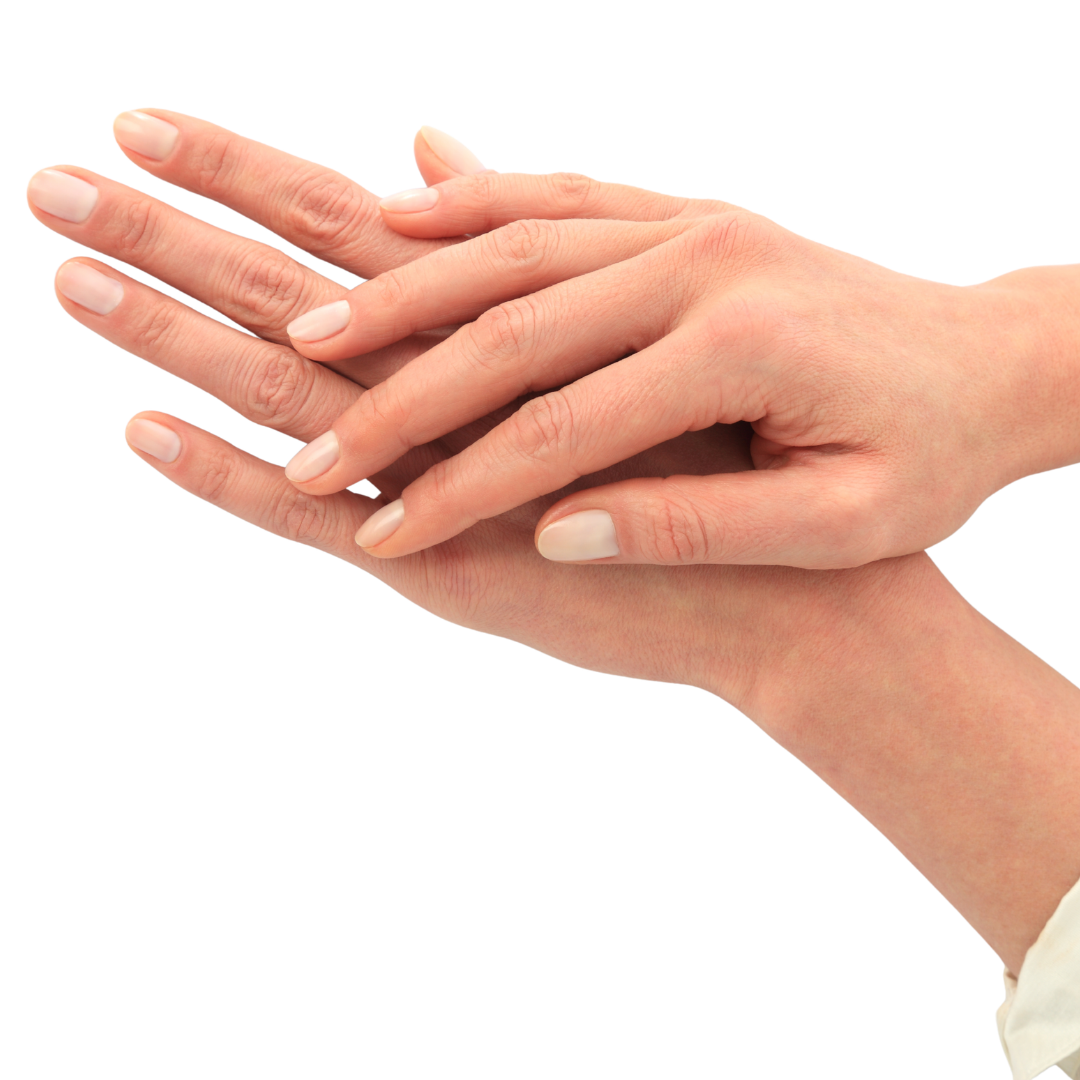
Trigger finger, medically known as stenosing tenosynovitis, is a common problem that can significantly limit hand mobility and complicate everyday activities. The typical symptom is the finger “catching” when bending or straightening, often accompanied by pain and an audible click when the finger suddenly snaps into the correct position.
At Medical Institut, we specialise in modern and gentle treatment of trigger finger, always tailored to the extent of the problem. In the early stages, conservative treatment may help, such as splints, rehabilitation or injection of medications that reduce swelling and allow the tendon to move more freely. If these methods are insufficient, we offer a gentle minimally invasive surgical procedure in which the narrowed tendon sheath is released and the finger can move freely again.

Great rating, you helped me so much :)))
Very pleasant environment, friendly staff, overall great satisfaction with the care of young Adélka. Definitely recommended for everyone!!!
Great approach, professional services. Recommended.
Complete satisfaction. I had Botox and lip filler. Everything was applied gradually over two visits and the result was exactly as I had imagined. I was quite nervous, but these…
I can definitely recommend it! The best place I have ever been to. This is about my health and I am glad that the wonderful doctors listen to me, advise me, help me and above all…
I have been going to Medical Institut for several years for various treatments and I am always completely satisfied. All the staff are very kind. The treatment results are…
Amazing clinic — I know where I'll be coming back to. Helpfulness, great results. Wonderful ❤️
Excellent staff. My hair feels like new after mesotherapy :) Loyal customer, recommended.
I visited the aesthetic centre and I have to say I am absolutely thrilled! Professional staff approach, pleasant and modern environment and excellent customer care. The results…
I was very pleasantly surprised. Positive people. A delicious welcome drink. Everything was tailored to my needs. Planning further visits.

"Trigger finger (also known as stenosing tenosynovitis) is a condition in which painful snapping or locking of the tendon occurs during finger movement. The problem most commonly arises as a result of inflammation or thickening of the tendon sheath and can significantly restrict hand mobility. At Medical Institut we place great emphasis on accurate diagnosis and an individual approach, so that the most appropriate conservative or interventional treatment is chosen and smooth, pain-free finger movement is restored."
The procedure usually takes 30 to 60 minutes and is performed in completely comfortable conditions. We apply a numbing cream before the treatment, so you only feel minimal discomfort.
You will usually notice the first improvement within a few days to weeks after the initial treatment. For optimal results, we recommend a series of sessions according to an individual plan.
The exact number of treatments and total cost are determined after an initial consultation with our specialist. Typically, it involves 3–6 sessions at intervals of several weeks.
The procedure is among the safest methods. Before the first treatment, we will discuss your health condition and evaluate any contraindications. Slight redness at the injection site is common and subsides quickly.