

★★★★★
I drove here today from Germany. Super friendly team, got an appointment quickly and without any hassle. My wishes were implemented perfectly and I am already very excited about…





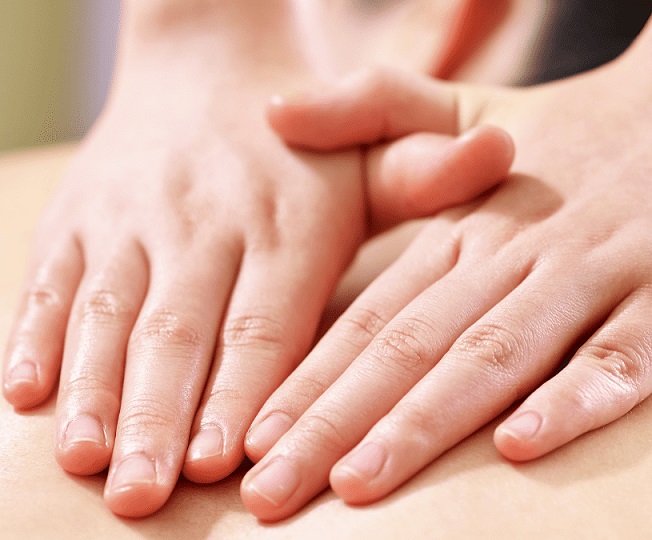
Soft techniques specifically target the treatment of skin, subcutaneous tissue, fascia, muscles and their attachments.
Mobilisation and soft techniques are among the tools of manual medicine. Soft and mobilisation techniques of the spine and peripheral joints are the most important and most commonly used techniques for treating painful myofascial trigger points, which are precisely localised, sensitive spots in contracted skeletal muscles. This method is used wherever we need to restore the extensibility of soft tissues or their sliding mobility relative to each other.
Soft techniques specifically target the treatment of skin, subcutaneous tissue, fascia, muscles and their attachments. They also serve both to release muscle spasms and to remove so-called reflex, usually painful changes in muscles and surrounding structures, as well as for overall relaxation. They should not be confused with massage techniques, as some mistakenly believe. Soft techniques influence these structures through stroking, stretching, gathering or pressure.

I drove here today from Germany. Super friendly team, got an appointment quickly and without any hassle. My wishes were implemented perfectly and I am already very excited about…
First visit, make-up, and very satisfied.
I, on the other hand, have the experience that communication is perfect and above all I was satisfied with the approach of Dr. Paulis. And the whole team was kind.
Wonderful work by beautician Jarka :) I love coming back.
I highly recommend Medical Institut. The doctor was excellent — professional, helpful and very thorough. The reception staff were exceptionally welcoming and helpful. The whole…
For me always a great approach and care. Pleasant and expert staff including the reception services. Recommended.
I was with Dr. Harvánková and she had a wonderful approach — very kind and I am very satisfied. I have already booked my next visit. Receptionist Libuška was also very kind and…
Great approach, friendly staff.
During the season of viruses, a vitamin C infusion is the best remedy. Many thanks for the service and professional approach.
Many thanks to Dr. Zunová for her work and kind and very professional approach. Highly recommended.
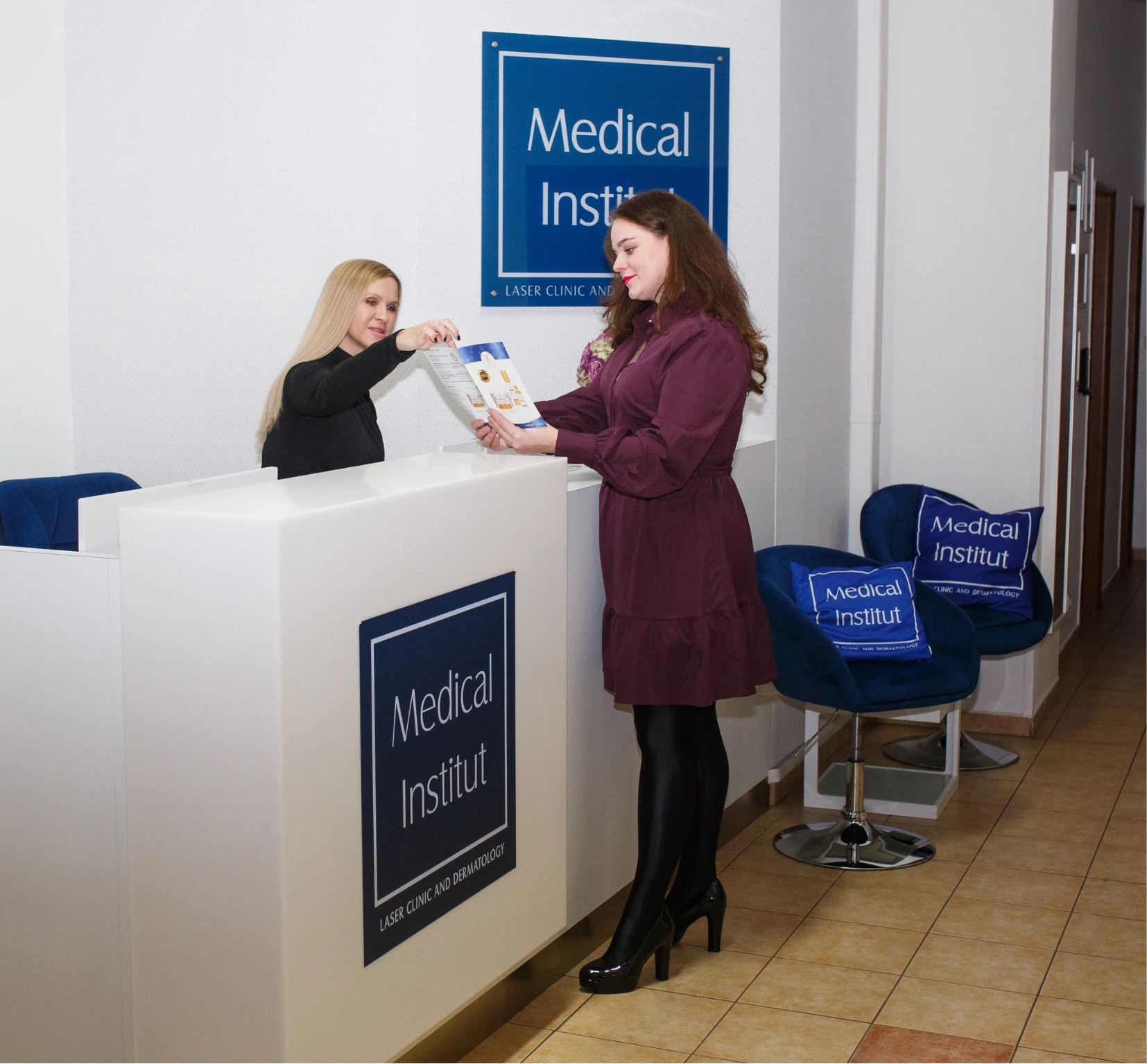
Bezručova 143/16, Plzeň
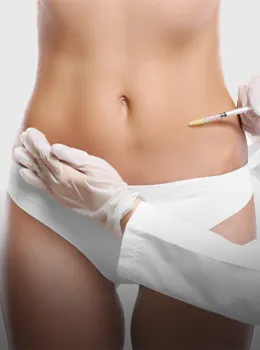
The procedure usually takes 30 to 60 minutes and is performed in completely comfortable conditions. We apply a numbing cream before the treatment, so you only feel minimal discomfort.
You will usually notice the first improvement within a few days to weeks after the initial treatment. For optimal results, we recommend a series of sessions according to an individual plan.
The exact number of treatments and total cost are determined after an initial consultation with our specialist. Typically, it involves 3–6 sessions at intervals of several weeks.
The procedure is among the safest methods. Before the first treatment, we will discuss your health condition and evaluate any contraindications. Slight redness at the injection site is common and subsides quickly.