





How to Lift Drooping Eyelids?
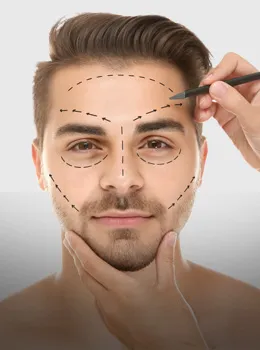
Drooping eyelids are far more than just a minor aesthetic concern. They can subtly transform facial expression, give the eyes a more tired appearance, and optically add several years. In some cases, sagging eyelids can also restrict the visual field. Whether the cause is genetics, age, or loss of skin elasticity, there are many ways […]

Drooping eyelids are far more than just a minor aesthetic concern. They can subtly transform facial expression, give the eyes a more tired appearance, and optically add several years. In some cases, sagging eyelids can also restrict the visual field.
u201eDrooping eyelids are not merely an aesthetic issue, but in many cases also a functional problem that can affect the visual field and overall facial expression. A properly chosen procedure on the upper eyelids can open up the gaze, rejuvenate the overall expression, and still preserve the patientu2019s natural appearance.u201c
Whether the cause is genetics, age, or loss of skin elasticity, there are many ways to lift the eyelids and restore a fresh facial expression. Some approaches can be tried at home, while others are best entrusted to experienced professionals.
Below you will find an overview of the most effective approaches — from gentle natural techniques to modern aesthetic procedures.
Natural ways to support eyelid lifting
Natural care methods can be a great first step if you wish to gently stimulate the eye area and give the eyelids a fresher look without professional intervention. Although they cannot replace professional treatment for significantly sagging skin, they can support muscle tone, improve blood circulation, and enhance overall skin vitality. Moreover, these are habits that are easy to incorporate into your daily routine and can benefit the eyes long-term.
Face yoga: gentle work with the muscles around the eyes
The eye area is made up of small facial muscles that can be partially strengthened through targeted exercises. Regular facial yoga can:
- support circulation,
- mildly firm the brow area,
- and thereby optically open up the gaze.
Face yoga is nice, but let us be honest. The effect of this method is virtually zero. You will barely notice it.
Lymphatic massages and gua sha
Gentle upward massage helps:
- reduce puffiness,
- improve blood flow to the skin,
- give the eyes a fresher look.
Massage certainly cannot replace professional intervention; it may improve microcirculation and the overall impression of the eye area. However, it must be said that massages only help when the skin and subcutaneous tissue are in good condition. Even then, the effect is close to zero — it is simply very subtle.
Lifting creams
Creams containing retinol, peptides, caffeine, or hyaluronic acid can:
- firm the surface layers of skin,
- smooth fine wrinkles,
- and provide a short-term lifting effect.
However, it is important to have realistic expectations — a cream will nourish the skin and improve its appearance, but it will not lift the eyelids on its own.
Minimally invasive aesthetic procedures that deliver more visible results
Minimally invasive aesthetic procedures today can offer surprisingly dramatic results without the need for surgery. These include methods that work with muscle tension release, stimulation of the skin’s own regeneration, or gentle firming of surface layers.
Injectable wrinkle removal “brow lift”
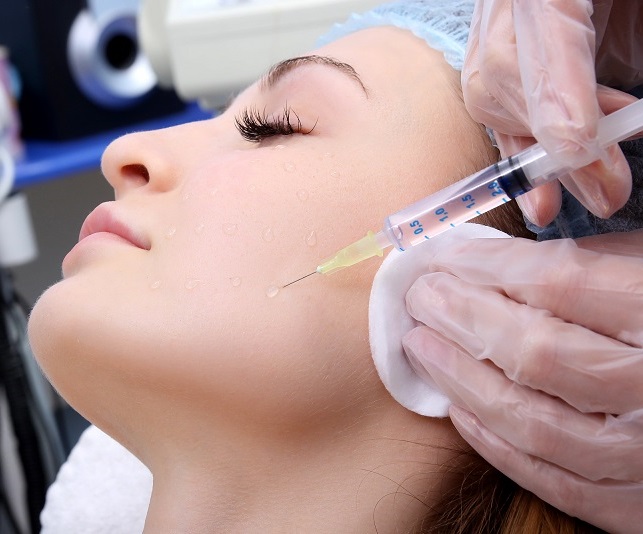
A gentle application of a freezing substance relaxes the muscles pulling the eyebrows downward, causing them to subtly lift. This makes the face appear lighter and brighter, and often reduces fine wrinkles in the area. The effect is natural and typically lasts three to five months. The procedure itself is quick, virtually painless, and requires no significant recovery time, making it a popular choice for those who desire gentle yet effective rejuvenation.
Radiofrequency and plasma lifting (PRP)
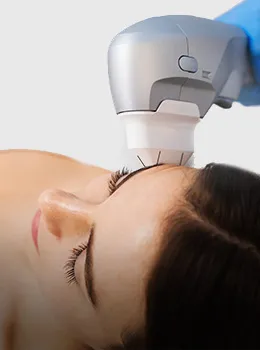
Both methods support collagen renewal, which is essential for skin firmness and elasticity. Radiofrequency works with heat in the deeper skin layers, gradually firming and improving its texture. In contrast, plasma lifting uses the client’s own blood plasma, rich in growth factors, which stimulate natural cellular regeneration. These procedures are ideal for those who notice mild to moderate skin laxity and are looking for a way to firm it both visually and to the touch without radical interventions.
Plasma laser lifting
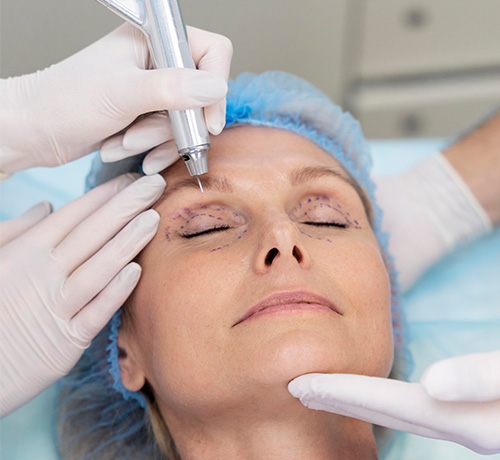
Plasma laser lifting is a modern non-invasive procedure that uses a precisely controlled plasma discharge to gently vaporise the surface skin layers and subsequently tighten and firm the treated area. This results in improved elasticity, smoothing of fine wrinkles, reduction of sagging skin, and refined facial or eyelid contours — without the need for a surgical incision. The procedure is particularly suitable for women and men who want to visibly rejuvenate their appearance but prefer a gentler and faster solution with shorter recovery time. Ideal candidates are people with loose or thinner skin in the upper or lower eyelid area, around the mouth, or on the neck, who do not suffer from active skin infections, significantly dark phototypes, or healing disorders. Plasma lifting is also often recommended for those who want to postpone more invasive procedures such as surgical blepharoplasty.
These methods represent gentle yet effective options for restoring a younger, rested appearance to the eye area. Each works on a different principle, which is why they can also be suitably combined according to individual needs and the expected outcome. We will be happy to help you choose the right method.
Blepharoplasty: The most effective and modern solution for eye rejuvenation
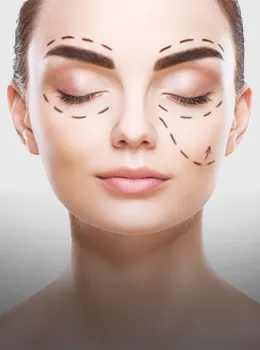
The most effective solution for significantly drooping eyelids is usually blepharoplasty, i.e. the surgical removal of excess skin and, in some cases, fat pads. This procedure is one of the most commonly performed aesthetic operations in the world and is popular not only for its rejuvenating effect, but also for its ability to improve the functional aspect of the eye when sagging eyelids already encroach on the visual field.
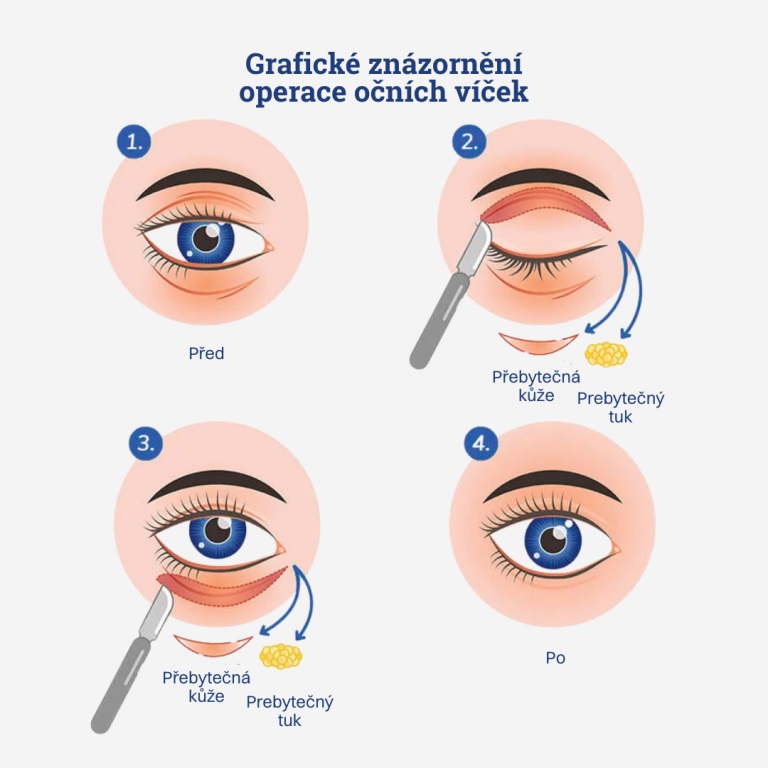
Blepharoplasty delivers long-lasting, often near-permanent results and can significantly brighten the overall facial appearance. The operation itself usually takes less than an hour, is most often performed under local anaesthesia, and the patient typically returns home the same day.
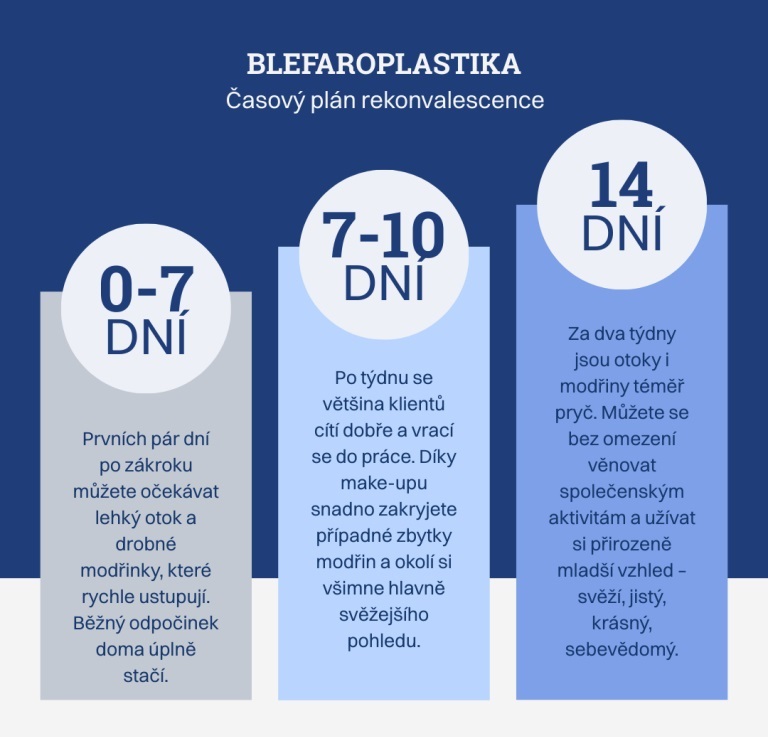
Recovery takes a few days, with the real limitation being just 1 day. The difference is visible practically immediately after the dressings are removed and continues to develop during the healing process.
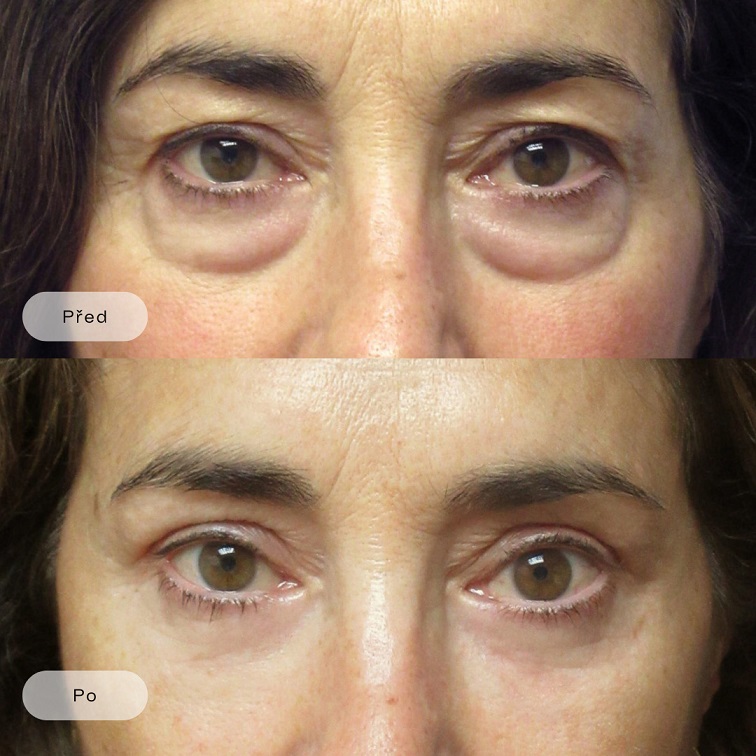
Fig. Before and after blepharoplasty
Thanks to modern techniques, incisions are made in the natural eyelid creases, so the resulting scars are virtually invisible. Many patients also report that after the procedure they feel not only a cosmetic improvement but also subjective relief — the eyes tire less, do not feel heavy, and overall they can “work” better during everyday activities.
Which method to choose, or when to see a specialist?
It makes sense to consider a consultation with an aesthetic specialist when drooping eyelids begin to interfere with daily life or when home care no longer brings any improvement. Warning signs include impaired vision or a feeling of heaviness and fatigue in the eye area that can intensify throughout the day. It is also advisable to schedule an examination if you are considering any aesthetic procedure and want to know which options would truly benefit you.
During the consultation, a specialist will carefully assess skin quality, muscle condition, and the amount of excess tissue, and will evaluate whether it is preferable to continue with non-invasive methods or whether a surgical procedure would bring greater effect.
The examination typically also includes a discussion about expectations, realistic outcomes, and what type of treatment will be safest given the individual anatomy and overall health status.